
Maltogenic Amylase
Maltogenic amylase is an enzyme used in brewing to modify starch and dextrins produced during mashing. It primarily acts on starch-derived carbohydrates, producing smaller sugars and dextrins, with particular effects on maltose and maltotriose-related fractions.
Role in brewing
- Improves fermentability: By breaking down larger dextrins into smaller fermentable carbohydrates, it can increase the amount of extract available for yeast fermentation.
- Reduces beer staling: Maltogenic amylase can help limit the formation of certain starch-derived structures associated with beer’s loss of freshness. This is why it is often used in brewing to improve shelf life.
- Improves filtration: Modification of starch and dextrin fractions can reduce viscosity and help with wort/beer processing.
- Supports consistent attenuation: It can provide more predictable carbohydrate profiles, particularly when brewing with adjuncts or raw materials with variable starch characteristics.
- Potentially improves body management: Because dextrins contribute to beer body, enzyme dosage and timing need to be controlled to avoid excessive breakdown and an overly thin mouthfeel.
How it differs from other amylases
Enzyme Main brewing function
α-Amylase Randomly breaks internal α-1,4 starch bonds, producing dextrins and smaller sugars
β-Amylase Releases maltose from starch chains, primarily from their non-reducing ends
Maltogenic amylase Acts on starch/dextrin fractions and is particularly useful for modifying dextrins and improving fermentability and beer stability
In practical brewing, maltogenic amylase is therefore best described as a processing enzyme used to modify starch-derived carbohydrates, improve fermentability and processing characteristics, and enhance the storage stability of beer.
Packaging:
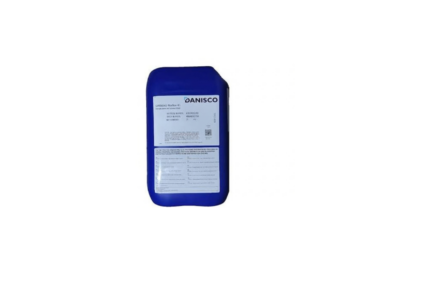
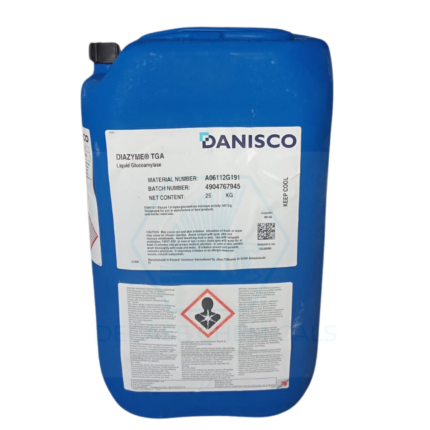
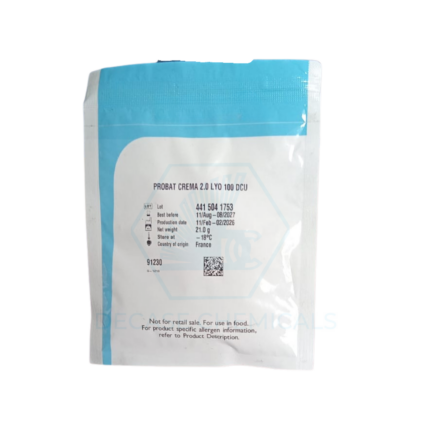
Typically available in enzyme preparations packed in suitable food-grade containers, with pack sizes depending on the supplier and product specification.
Storage:
Store in a cool, dry place, protected from direct sunlight, moisture, and excessive heat. Keep the packaging tightly sealed when not in use. Avoid prolonged exposure to humidity and follow the manufacturer’s recommended storage temperature and shelf-life conditions.
Reviews
There are no reviews yet.