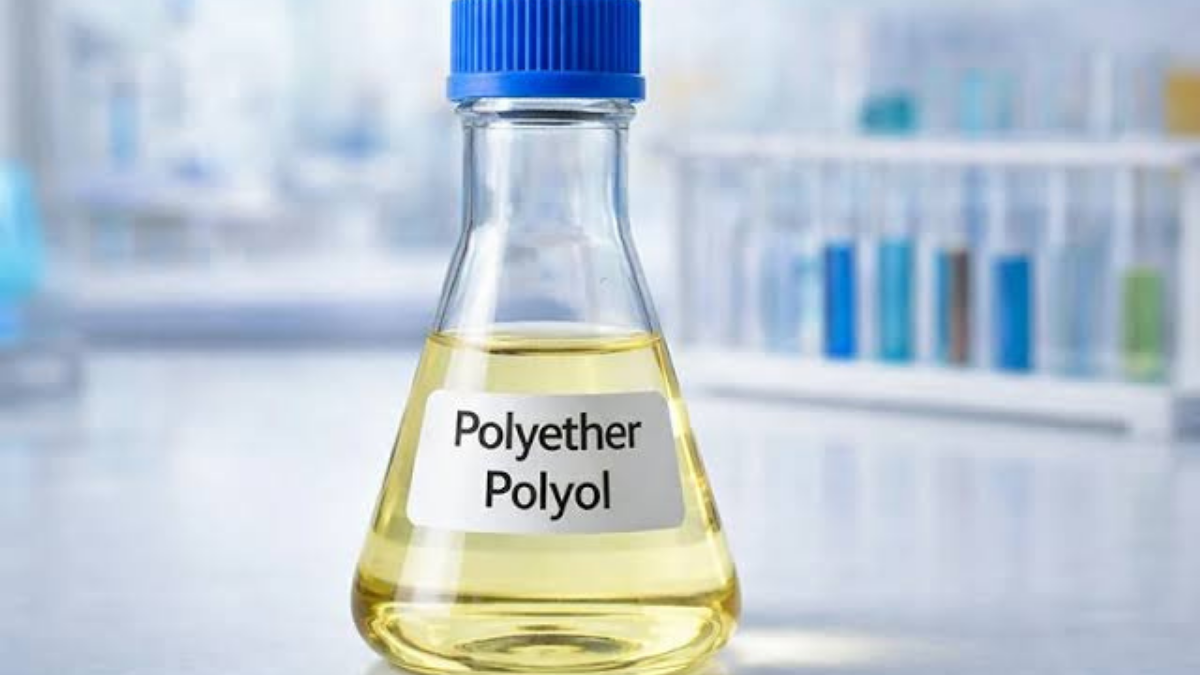
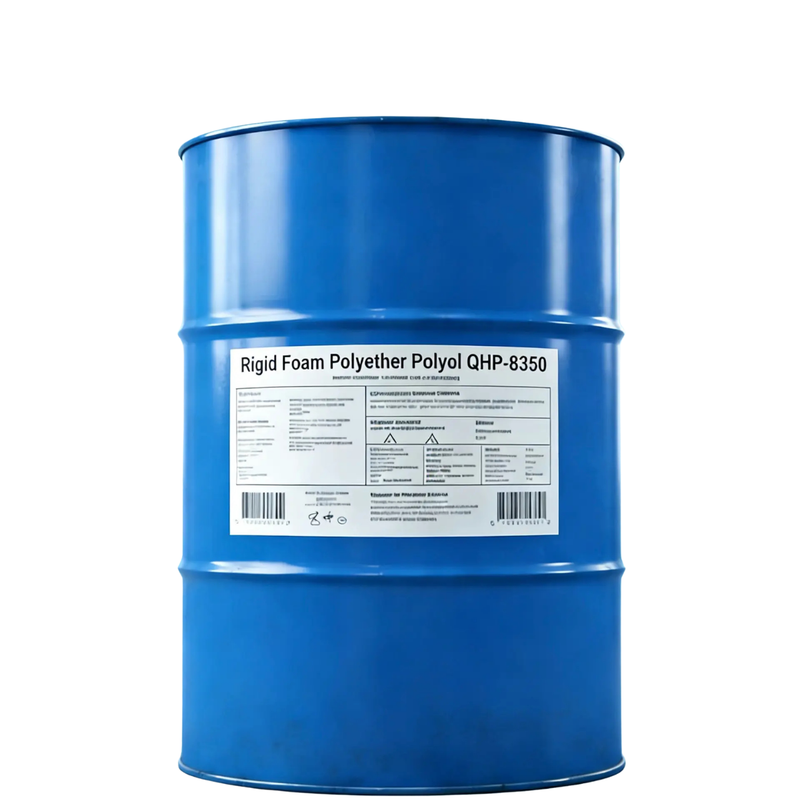
Rigid polyether polyol is a key raw material used in the production of rigid polyurethane (PU) foams. It plays an important role in creating lightweight, strong and thermally efficient materials used across construction, refrigeration, insulation and industrial applications.
At Decase Chemicals Ltd, we supply polyurethane raw materials and solutions to manufacturers across East Africa, helping businesses achieve consistent performance and quality in their polyurethane applications.
What Is Rigid Polyether Polyol?
Rigid polyether polyol is a type of polyol specifically formulated for use in rigid polyurethane foam systems. When combined with an appropriate isocyanate, such as MDI (methylene diphenyl diisocyanate), it undergoes a chemical reaction that produces polyurethane foam.
The resulting foam has a closed-cell structure that provides excellent thermal insulation, dimensional stability and mechanical strength.
Different grades of rigid polyether polyol can be formulated to meet specific requirements such as density, reactivity, insulation performance and processing conditions.
Key Properties of Rigid Polyether Polyol
Rigid polyether polyols are valued for several important characteristics:
- Excellent thermal insulation – Helps reduce heat transfer and improve energy efficiency.
- Low thermal conductivity – Particularly important in refrigeration and insulation applications.
- Good dimensional stability – Helps finished polyurethane products maintain their shape.
- Lightweight structure – Produces strong insulation materials without adding excessive weight.
- Good adhesion – Can provide effective bonding to various substrates depending on the formulation.
- Adjustable reactivity – Formulations can be selected according to processing requirements and production equipment.
- Versatile formulation – Can be combined with catalysts, blowing agents, surfactants and other additives to achieve desired foam characteristics.
How Does Rigid Polyether Polyol Work?
Rigid polyurethane foam is produced through a reaction between a polyol component and an isocyanate component.
During the reaction, the components form a polyurethane polymer while a blowing process creates the cellular structure of the foam. The formulation can be adjusted to control important properties such as:
- Foam density
- Cell structure
- Rise time
- Cream time
- Tack-free time
- Thermal conductivity
- Compressive strength
- Dimensional stability
The correct balance of polyol, isocyanate, catalysts, silicone surfactants and blowing agents is essential for achieving consistent foam quality.
Applications of Rigid Polyether Polyol
Rigid polyether polyol is widely used in the manufacture of polyurethane insulation and structural products.
1. Refrigeration and Cold Storage
Rigid PU foam is commonly used as an insulating material in refrigerators, freezers, cold rooms and refrigerated equipment. Its low thermal conductivity helps maintain stable temperatures while reducing energy consumption.
2. Building Insulation
Rigid polyurethane foam can be used in insulation panels, roofing systems, wall systems and other construction applications. It provides thermal insulation while maintaining a relatively lightweight structure.
3. Sandwich Panels
PU sandwich panels consist of an insulating foam core between two facing materials. Rigid polyether polyol is an important component in producing the polyurethane core used in these panels.
4. Water Heaters and Insulated Equipment
The excellent insulation characteristics of rigid polyurethane foam make it suitable for water heaters, tanks, pipes and other equipment where heat retention is important.
5. Industrial Insulation
Rigid PU foam is also used for insulating industrial equipment, pipelines, storage systems and other applications where thermal efficiency is required.
Benefits of Using Rigid Polyether Polyol
For manufacturers, selecting the appropriate polyether polyol can have a significant effect on the performance and efficiency of the final polyurethane product.
Improved Energy Efficiency
The insulating properties of rigid polyurethane foam can help reduce heat loss or heat gain, contributing to improved energy efficiency in buildings and equipment.
High Strength-to-Weight Ratio
Rigid PU foam combines low weight with useful mechanical strength, making it suitable for applications where both insulation and structural performance are required.
Flexible Formulation
Polyether polyol systems can be formulated according to specific production requirements, allowing manufacturers to target different foam densities, reaction profiles and physical properties.
Consistent Production
Using a suitable, high-quality polyol helps manufacturers achieve more predictable processing and finished-product characteristics when the complete formulation and production conditions are properly controlled.
Choosing the Right Rigid Polyether Polyol
Not every polyether polyol is suitable for every application. When selecting a product, manufacturers should consider factors such as:
- Required foam density
- Desired thermal conductivity
- Compressive strength requirements
- Processing temperature
- Cream and rise time
- Production equipment
- Desired cell structure
- Compatibility with the selected MDI
- Required dimensional stability
- Final application and operating environment
Working with a knowledgeable chemical supplier can help manufacturers select a formulation that matches their production process and performance requirements.
Rigid Polyether Polyol and the Polyurethane System
Rigid polyether polyol is only one component of a complete polyurethane system. Depending on the application, manufacturers may also require:
- MDI
- Catalysts
- Silicone surfactants
- Blowing agents
- Foam stabilizers
- Other formulation additives
The interaction between these components determines the final characteristics of the polyurethane foam. Proper formulation, mixing and processing are therefore essential for achieving reliable results.
Rigid Polyether Polyol from Decase Chemicals
Decase Chemicals Ltd supplies polyurethane raw materials and chemical solutions for manufacturers across East Africa. Our polyurethane portfolio supports applications ranging from rigid and flexible foam production to industrial and specialized polyurethane systems.
Whether you are looking for rigid polyether polyol, MDI, silicone surfactants, catalysts or other polyurethane raw materials, our team can help you identify products suited to your application and production requirements.
Looking for rigid polyether polyol for your production process? Contact Decase Chemicals Ltd for product information, technical support and supply options across East Africa.
Conclusion
Rigid polyether polyol is an essential raw material in the production of high-performance rigid polyurethane foam. Its combination of thermal insulation, lightweight structure, dimensional stability and formulation flexibility makes it suitable for applications ranging from refrigeration and cold storage to construction and industrial insulation.
Choosing the right grade and maintaining the correct formulation are important steps toward achieving consistent foam quality and performance.